
The Art of Upholstery: Choosing Between Fabric, Synthetic Leather, and Genuine Leather

When choosing a chair, the first thing that catches our eye is usually its design and frame. However, the true element that determines how comfortable, long-lasting, and practical that chair will be is the upholstery material.
Whether you are hosting an elegant dinner in your dining room, working long hours in your office, or having a quick breakfast in your kitchen, your chair's upholstery directly impacts your comfort. So, which material is right for which space? Let’s take a look at the most preferred upholstery materials, their varieties, and their intended uses.
1. Fabric Upholstery: Warmth and Rich Texture

Fabric is a lifesaver in interior design because it offers unlimited color and pattern options. It adds warmth to a space and maximizes comfort with its breathable structure.
Types:
Linen: Natural, elegant, and breathable. Frequently preferred in summer homes and modern/bohemian decorations.
Velvet: Offers a luxurious and sophisticated look. It adds depth to a space through the way it reflects light.
Chenille: A durable, soft-textured, and well-draped fabric. Highly suitable for daily use.
Microfiber / Nubuck-Look Fabrics: Highly resistant to stains thanks to their liquid-repellent properties and ease of cleaning.
Best For: Dining rooms, living rooms, bedroom vanity chairs, and waiting lounges. Fabric upholstery is preferred for preventing perspiration during long periods of sitting and for softly contouring the body. It is ideal for areas where home comfort is the priority.
2. Synthetic Leather (Faux Leather): Practicality and Economy
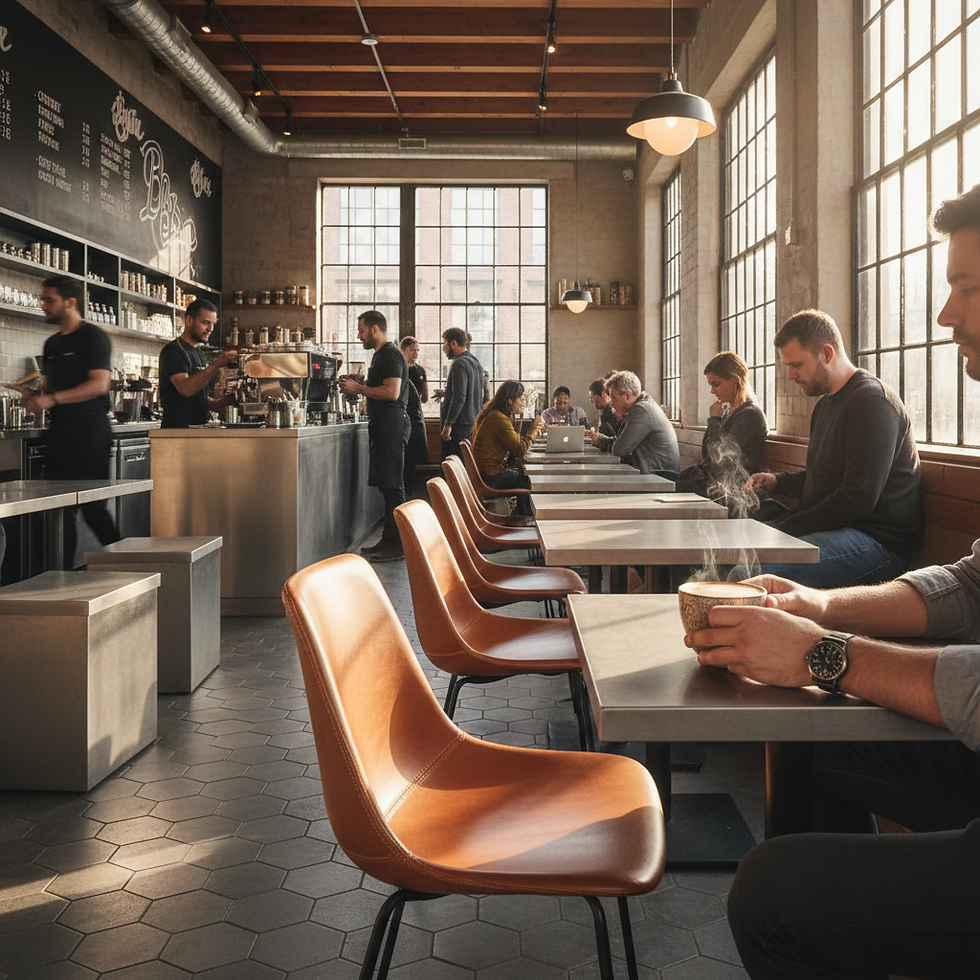
Thanks to advancing technology, synthetic leathers—which closely mimic the look and feel of genuine leather—have become indispensable in the furniture industry.
Types:
PU (Polyurethane) Leather: A softer and more flexible synthetic leather that offers the closest texture to genuine leather. It is eco-friendly and has better breathability than PVC.
PVC (Polyvinyl Chloride) Leather: Much more durable and extra resistant to water and abrasion, but has a stiffer structure.
Best For: Kitchens, cafes, restaurants, office task chairs, and hospital or clinic waiting rooms. The biggest advantage of synthetic leather is ease of cleaning. You can instantly wipe away spilled liquids or food stains with a damp cloth. Since it does not absorb liquids or trap odors, it should be the primary choice for high-traffic commercial areas and kitchens.
3. Genuine Leather: Prestige, Durability, and Character

Genuine leather is always at the top of its class due to its naturalness and the prestige it conveys. Instead of simply wearing out over the years, it gains a unique character and becomes more beautiful. However, knowing the technical details is vital for the lifespan of your chair.
Since animal hide is quite thick, it is separated into layers during processing. Here are the most common types used based on durability needs:
Types:
Top Grain Leather: The uppermost and most natural layer of the hide. Its porous structure makes it highly breathable and soft to the touch. Usually preferred for exclusive, premium projects.
Split Leather: Obtained by processing the lower layers of the hide. It offers the strength of natural leather and can be finished with special processes to achieve different textures and colors. It is a more accessible genuine leather alternative.
Automotive-Grade Split Leather: An extra-reinforced version of split leather meeting automotive industry standards. Thanks to special finishing, it offers maximum resistance to friction, UV rays (fading), temperature changes, and stretching. It is considered the pinnacle of durability in the furniture industry.
Best For: Executive offices, high-end restaurants, libraries, premium home decor, and high-circulation commercial spaces. If you want the prestige of real leather in high-wear areas like a busy office or restaurant, automotive-grade split leather is the smartest solution.
🎯 Key Considerations When Making Your Choice
When selecting your upholstery, consider your lifestyle, not just your aesthetic preference:
Usage Intensity: If the chair will be used for hours a day (e.g., an office or cafe), look for high "Martindale" (rub test) scores or durable synthetic leathers.
Cleaning and Maintenance: If you have pets or small children, easy-to-wipe microfiber fabrics or synthetic leathers will be lifesavers. Delicate linens in light colors might be challenging in this scenario.
Climate and Heat: In very hot spaces or areas with direct sunlight, synthetic leather can cause perspiration. Breathable fabrics or genuine leather should be preferred in these environments.
Design Integrity: The upholstery must match the soul of the space. Distressed faux leather suits industrial designs, while velvet is much more appropriate for classic decor.
Remember; the right chair is not just one that looks good, but one that makes your life easier and keeps you comfortable! You define your needs, and Sefes will help you choose the right one.


Comments